Why VanMoof Fans Stayed Loyal Through Bankruptcy: The Anatomy of a Cultural Brand
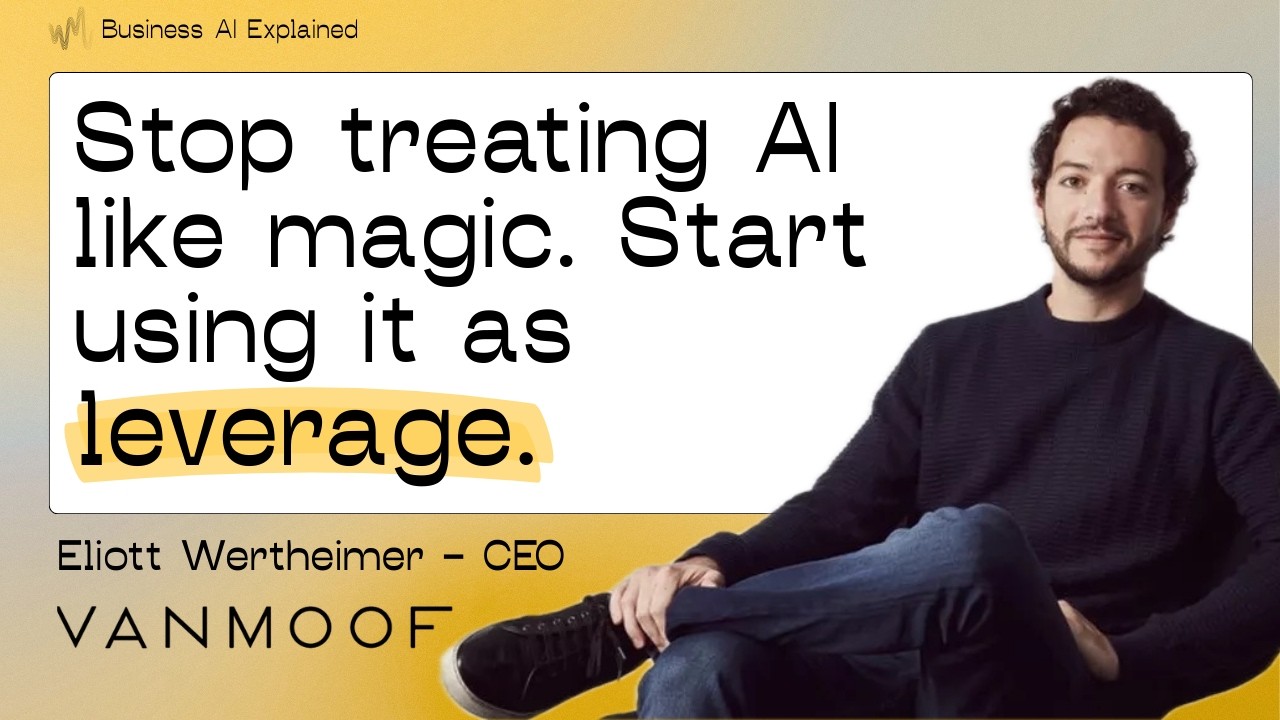
Why did VanMoof customers remain loyal after the company went bankrupt?
According to CEO Eliott Wertheimer, the loyalty was rooted in two things the outside world underestimated: the fan base and how the brand had embedded itself in culture.
Resilient ownership.
Riders absolutely loved VanMoof when they owned the bike and tended to buy more VanMoofs rather than switch brands.
Tolerance for the issues.
Despite public noise around repairs, access to spare parts, and reliability, most of the rider base wanted to see a restart and the mission fulfilled.
A working product for many.
A lot of people never had an issue and had a great experience — the products, when they worked, felt ahead of the rest of the industry.
What makes an e-bike brand culturally relevant beyond its product?
Wertheimer describes VanMoof as having become a little bit of a cultural brand — one that penetrated culture beyond ownership.
People in many countries are aware of VanMoof even though they never wanted to buy a bike.
They have heard of it, broadly know what the company does, and relate to it aesthetically.
That cultural awareness sits on top of a product that pioneered what it was doing in the industry and felt smooth, intuitive, quick, and powerful to ride.
In other words, cultural relevance came from design and engineering identity — owning so much of their own development produced a ride feel that customers could tangibly sense, which in turn fed the brand's wider aesthetic recognition.
“VanMoof became a little bit of a of a cultural brand in the sense that, you know, it really in a way penetrated culture.”
How does fan resilience translate into post-bankruptcy retention?
Wertheimer frames the restart as built on a foundation competitors don't have: a rider base that actively wanted the company saved.
Most riders wanted to see a restart, wanted to see the mission fulfilled, wanted people to come in and fix the company .
The only thing that broke down was trust, so authenticity and transparency are now the most important things VanMoof can do.
That is why the brand insists on real people on real bikes in its content, rather than leaning on AI-generated riders or actors, to make customers feel the restart is reachable.
Retention, in this telling, is not a marketing output — it is the resilient fan base converted into permission to relaunch, provided the company keeps the storytelling authentic.
“most of the rider base wanted to see a restart, wanted to see the mission fulfilled, wanted people to come in and fix the company”
How is VanMoof rebuilding trust with riders post-bankruptcy?
Part of converting loyal fans into long-term retention is fixing the distribution model that the original VanMoof rejected.
VanMoof was the child image of the D2C brand that doesn't like retailers , and retailers didn't like them back.
The company now acknowledges that local bike dealers are essential, because an e-bike is closer to a car than a normal bicycle in complexity, systems, and after-sales needs.
Wertheimer's team went back to the market and told dealers they were wrong and wanted to work with them — using indirect channels as an extension of the brand and after-service.
“The only thing that broke down was trust. Right? So authenticity and transparency is one of the most important thing Vanmoof can do today.”
Frequently asked questions.
- Why did VanMoof customers stay loyal after bankruptcy?
- Because they loved the bike when it worked and tended to buy more VanMoofs rather than switch brands. Wertheimer says the rider base was resilient toward the issues around repairs, spare parts, and reliability, and most riders actively wanted a restart so the mission could be fulfilled. A lot of owners had never had an issue at all, which kept the underlying advocacy strong even as the company collapsed.
- What does it mean that VanMoof is a 'cultural brand'?
- Wertheimer describes VanMoof as having penetrated culture: people in many countries are aware of the brand and relate to it aesthetically even though they never wanted to buy a bike. They have heard of it and broadly know what the company does. That recognition is unusual for a hardware company and gave the restart team an asset that went beyond the installed base of riders.
- Was the VanMoof product actually good?
- Wertheimer says VanMoof products were always great in how they felt and how people used them, and were historically pioneering and ahead of the rest of the industry. The first time he rode one, the ride felt smooth, intuitive, quick, powerful, and low-latency. The reliability problems came from parts that broke a bit too often and were also very difficult to repair, compounded by low margins on a D2C model with no partners to share the support load.
- How does fan loyalty translate into retention now?
- It gives VanMoof permission to relaunch, but only if the rebuild stays authentic. Wertheimer says the only thing that broke down was trust, so authenticity and transparency are the most important things VanMoof can do today. That is why the company insists on real people on real bikes in its content rather than AI-generated riders or actors — the goal is to make customers feel the restart is genuinely out there and reachable.
- Why is VanMoof now embracing retail partners after being a pure D2C brand?
- Because they realized D2C alone could not deliver the after-sales experience an e-bike requires. Wertheimer says an e-bike is much more akin to a car than a normal bicycle in complexity and maintenance, so local dealers are essential to support customers locally. VanMoof, once the poster child of the D2C brand that didn't like retailers, went back to dealers and admitted they were wrong, building indirect channels as an extension of the brand and after-service.
- What role does authenticity play in VanMoof's post-bankruptcy marketing?
- It is the constraint that shapes every content choice. Wertheimer says trust was the only thing that broke down, so the team avoids AI-generated bikes or actors in core marketing — they want real people on real bikes so customers feel the relaunch is real and achieved. The brand can experiment with AI internally for production, but the rider-facing story has to be visibly authentic for the restart to land.