The labs turned on each other.
Anthropic leased the cluster that trained Grok. OpenAI paid Anthropic's customers to defect. Salesforce opened the doors to the machines. One unusually loud week.
The polite phase is over. Anthropic raised prices on its heaviest users — and within hours, OpenAI offered them two free months to leave. Anthropic also brushed a $900 billion valuation. The boldest move of the week, though, may have come from Salesforce, which quietly handed its entire platform to AI agents. Twelve stories, inside.
- 01Anthropic is leasing Grok's data center to double users' limits.
- 02Heavy Claude users just got a quiet price hike.
- 03Anthropic is now worth $900 billion. IPO eyed for October.
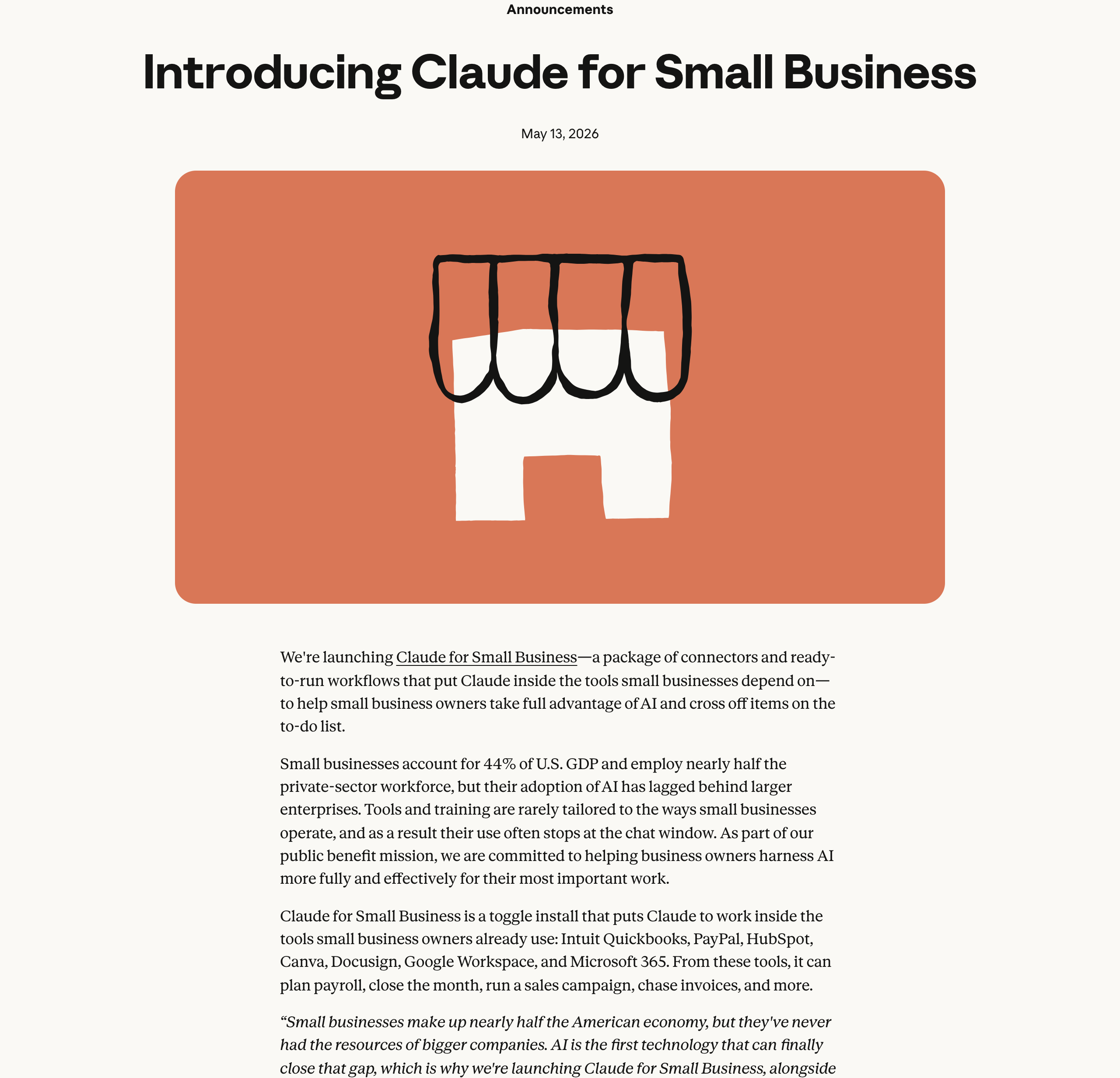
- 04Claude now plugs into the tools small businesses already use.
- 05OpenAI is paying companies to leave Claude.
- 06On the main coding test, OpenAI and Claude are basically tied.
- 07A free AI that rivals ChatGPT — with no content filters.
- 08Hermes can now spin up a full coding sandbox on demand.
- 09Salesforce just made itself usable by AI agents — not just humans.
- 10The head of Y Combinator gave away his personal "second brain."
- 11The smartest AI bet isn't always the AI itself.
- 12Only 9% of companies have actually replaced a job with AI.
Anthropic is leasing Grok's data center to double users' limits.
Anthropic took over the data center xAI used to train Grok — its own competitor — and is using that firepower to permanently double how much Claude users can do each day. Weekly caps also rise by half through mid-July.
Compute, not the model itself, is the real bottleneck in AI right now. Anthropic just locked in the capacity to keep raising limits.
Heavy Claude users just got a quiet price hike.
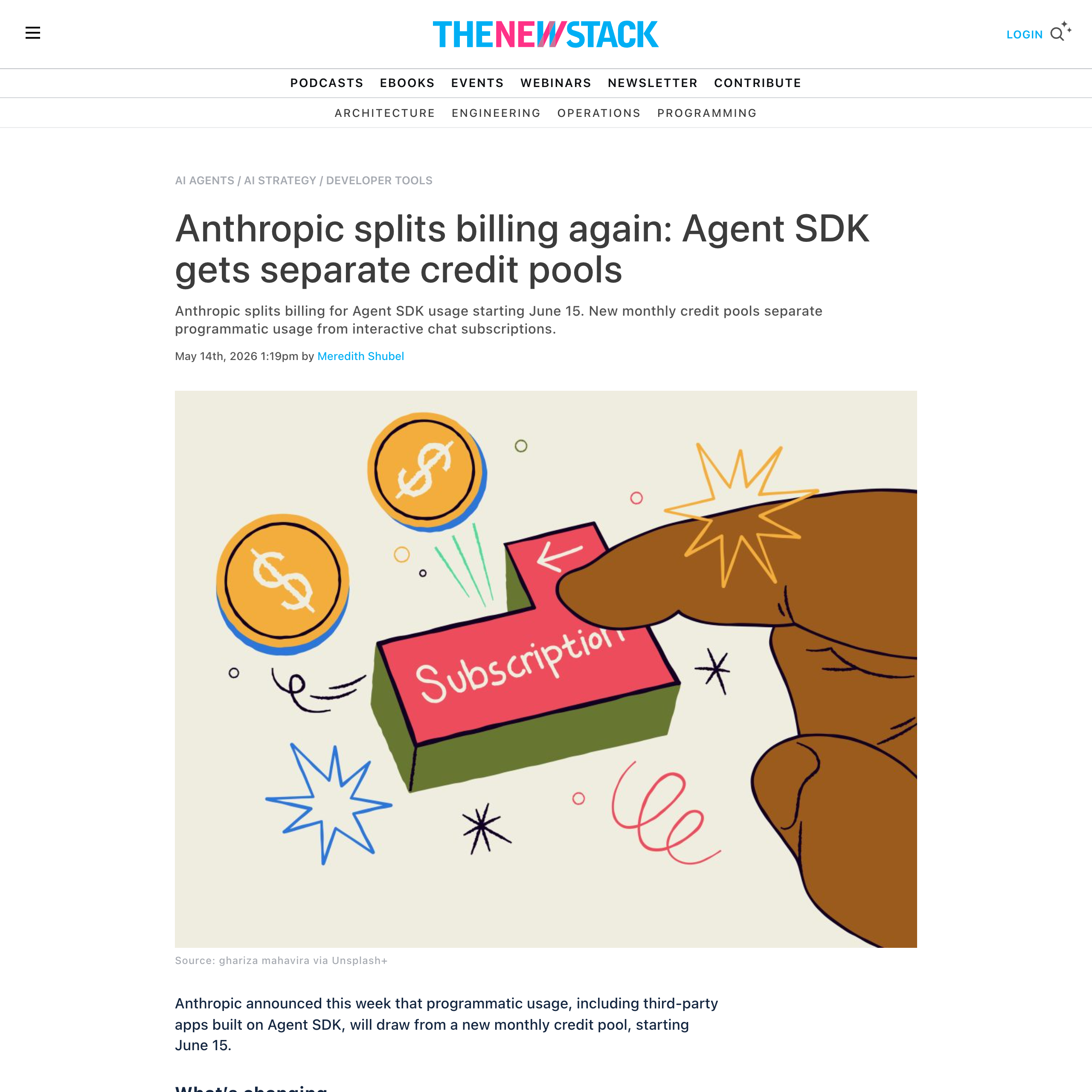
Power users had been running scripts and automations through their $100–$200/month Claude subscription — basically treating it like unlimited access. From 15 June, that usage gets carved off and billed at API rates instead. Much, much more expensive.
Anthropic raised prices on its heaviest users without touching the sticker. If anyone on your team automates anything through Claude, the bill is about to jump.
Anthropic is now worth $900 billion. IPO eyed for October.
Anthropic is raising another $30 billion at a $900 billion valuation — more than doubled in three months. An October IPO is reportedly on the table.
Anthropic now ranks as the second-biggest AI company in the world. The recent pricing changes suddenly make sense — they're tuning the business for public markets.
Claude now plugs into the tools small businesses already use.
Anthropic shipped a free package of prebuilt integrations: Claude now connects directly into QuickBooks, PayPal, HubSpot and Google Workspace, automating routine tasks and managing workflows across the tools small businesses already run.
Anthropic isn't replacing small-business software — it's becoming the workflow layer on top of it. The value left for advisors and boutiques is industry-specific orchestration, not generic plumbing.
OpenAI is paying companies to leave Claude.
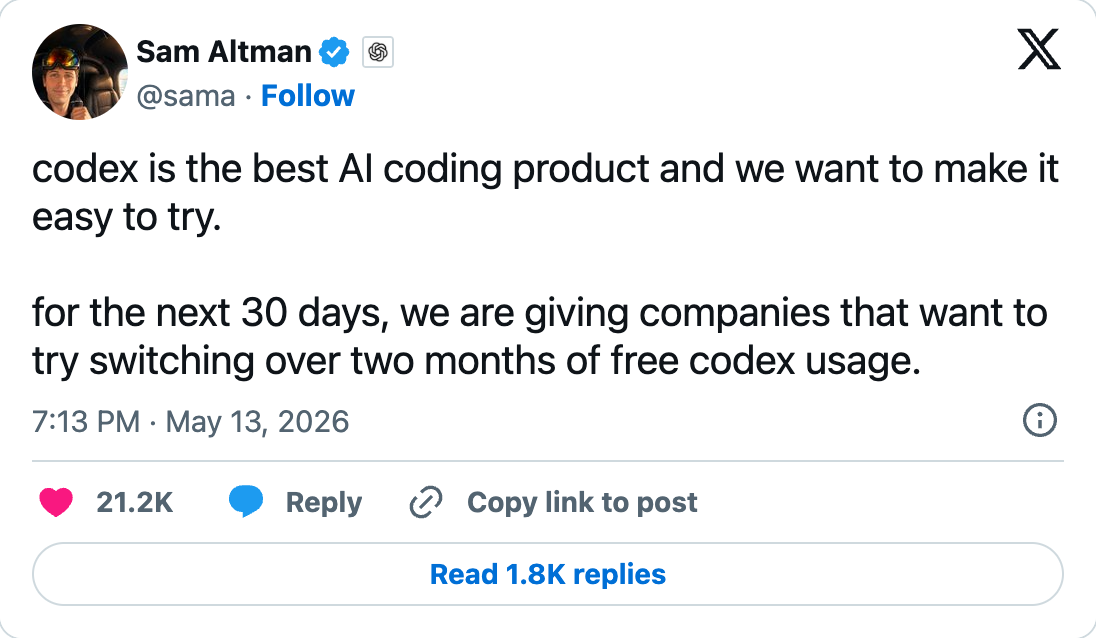
For the next 30 days, OpenAI is giving away two months free of its coding tool — but only to companies switching over from a rival (read: Anthropic).
A direct shot at Anthropic, hours after their pricing change. Expect every engineering team you know to be running side-by-side trials this month.
On the main coding test, OpenAI and Claude are basically tied.
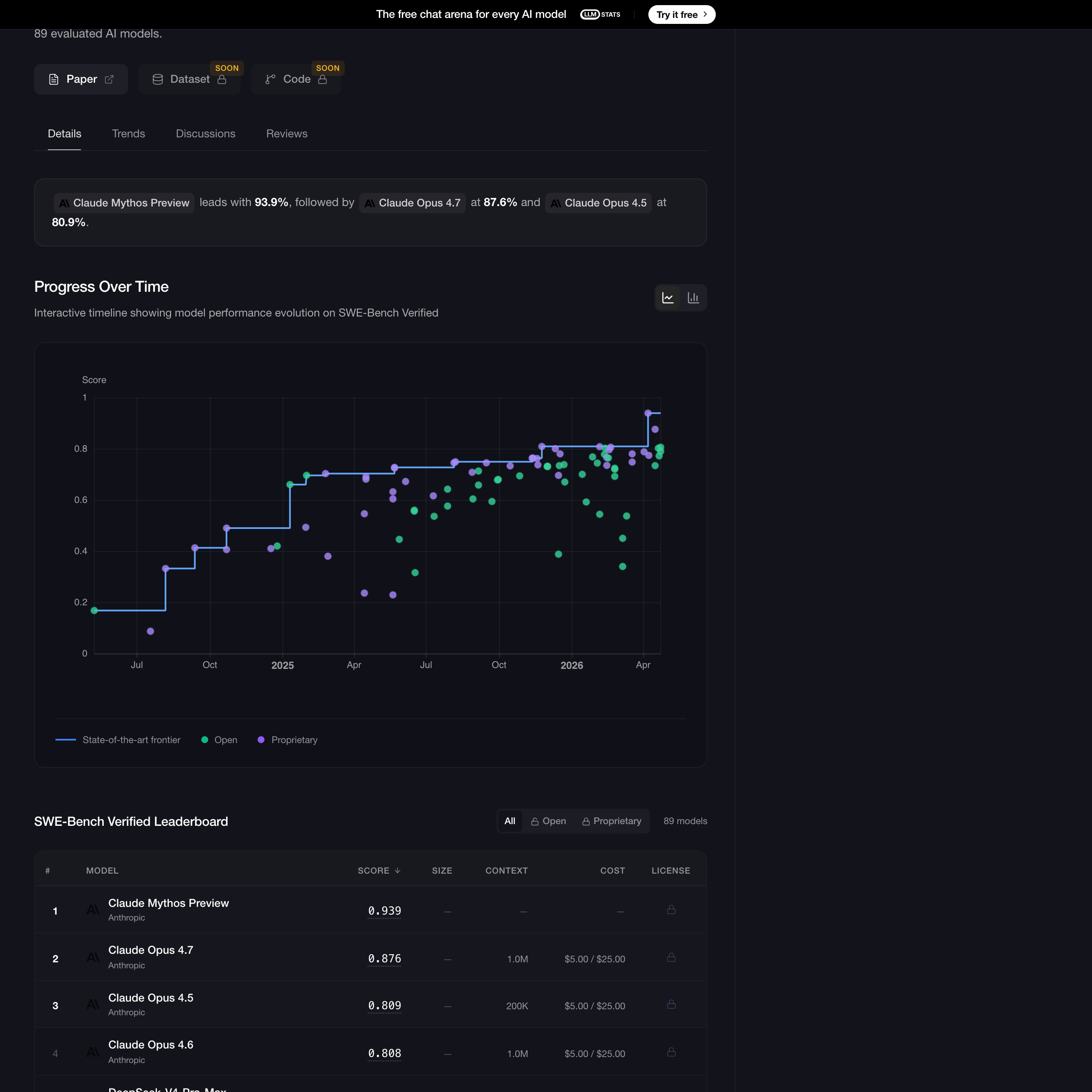
New scores put OpenAI at 88.7% and Anthropic at 87.6% on the most-cited coding test. Each wins on different sub-tests. Even OpenAI admits the headline number is no longer reliable.
The "which AI is smartest" question is over. The real question is which one fits how your team actually works.
A free AI that rivals ChatGPT — with no content filters.
Nous Research released Hermes 4: a free, downloadable AI that matches OpenAI and Anthropic on reasoning tests, and will answer questions the big labs refuse to touch.
For companies that can't send sensitive data to outside AI providers — banks, hospitals, law firms — there's now a credible model they can run on their own servers.
Hermes can now spin up a full coding sandbox on demand.
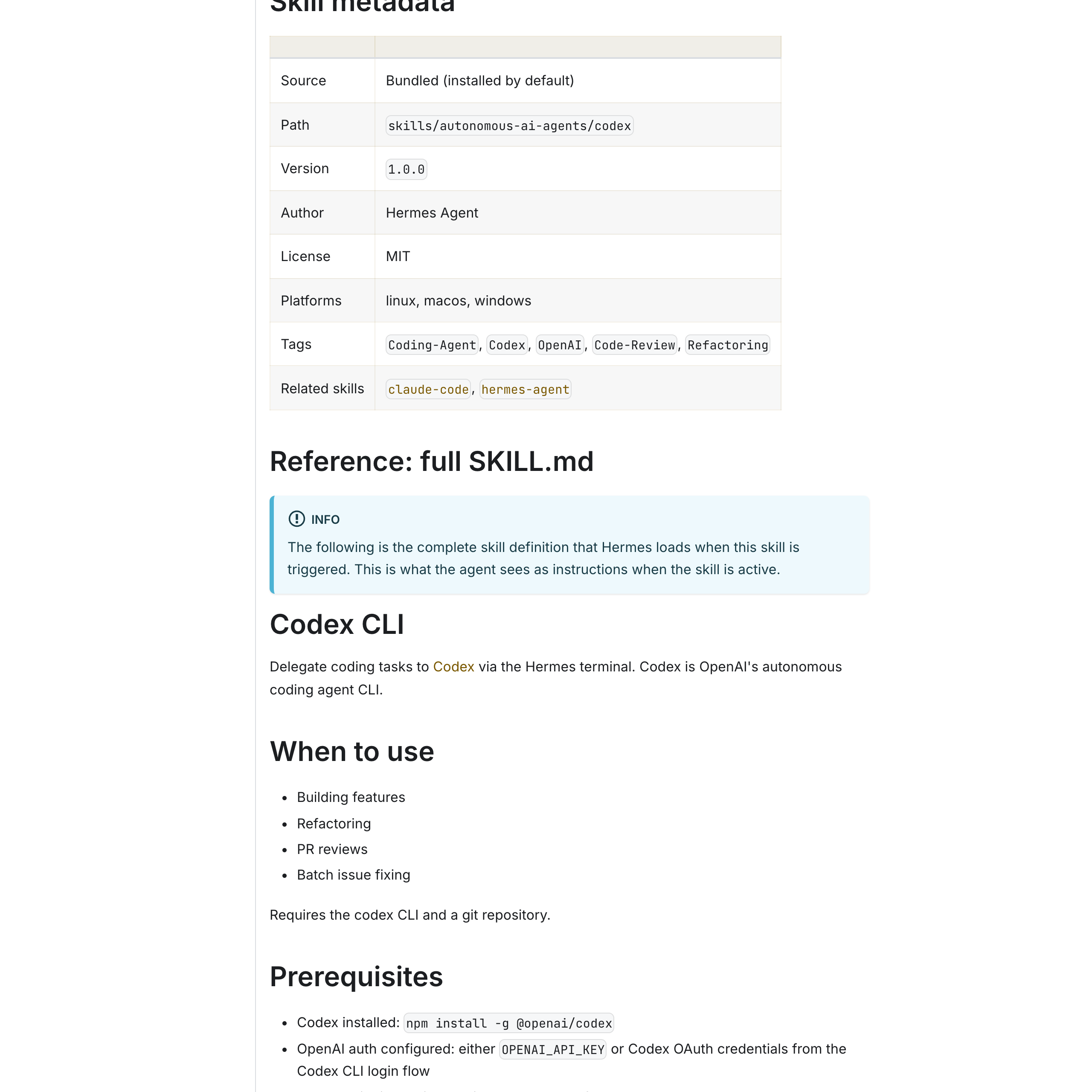
Open-source agent Hermes added a skill that wraps OpenAI's coding tool, Codex, inside its own sandboxed environment — terminal, files, the lot. Hermes can now spin up a full coding workstation on demand.
Agents are starting to use each other as tools. Hermes doesn't need to be good at coding — it just needs to know when to hand the job to Codex.
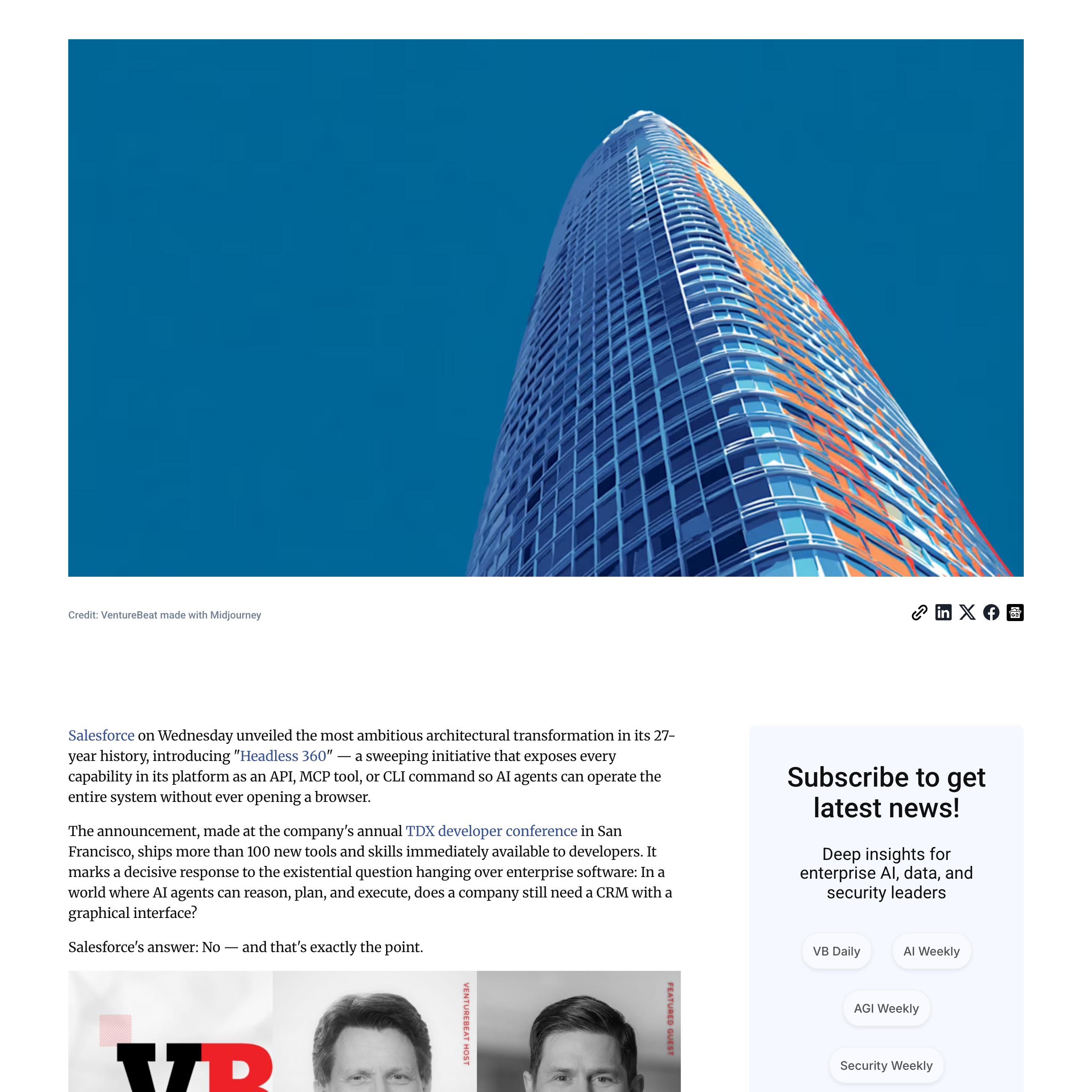
Salesforce just made itself usable by AI agents — not just humans.
Every action you'd normally do inside Salesforce — create a deal, update a contact, run a report — can now be done by an AI assistant directly, without anyone opening the app.
The largest business-software company on the planet just declared itself AI-native. Expect Microsoft, SAP and Workday to follow within a year.
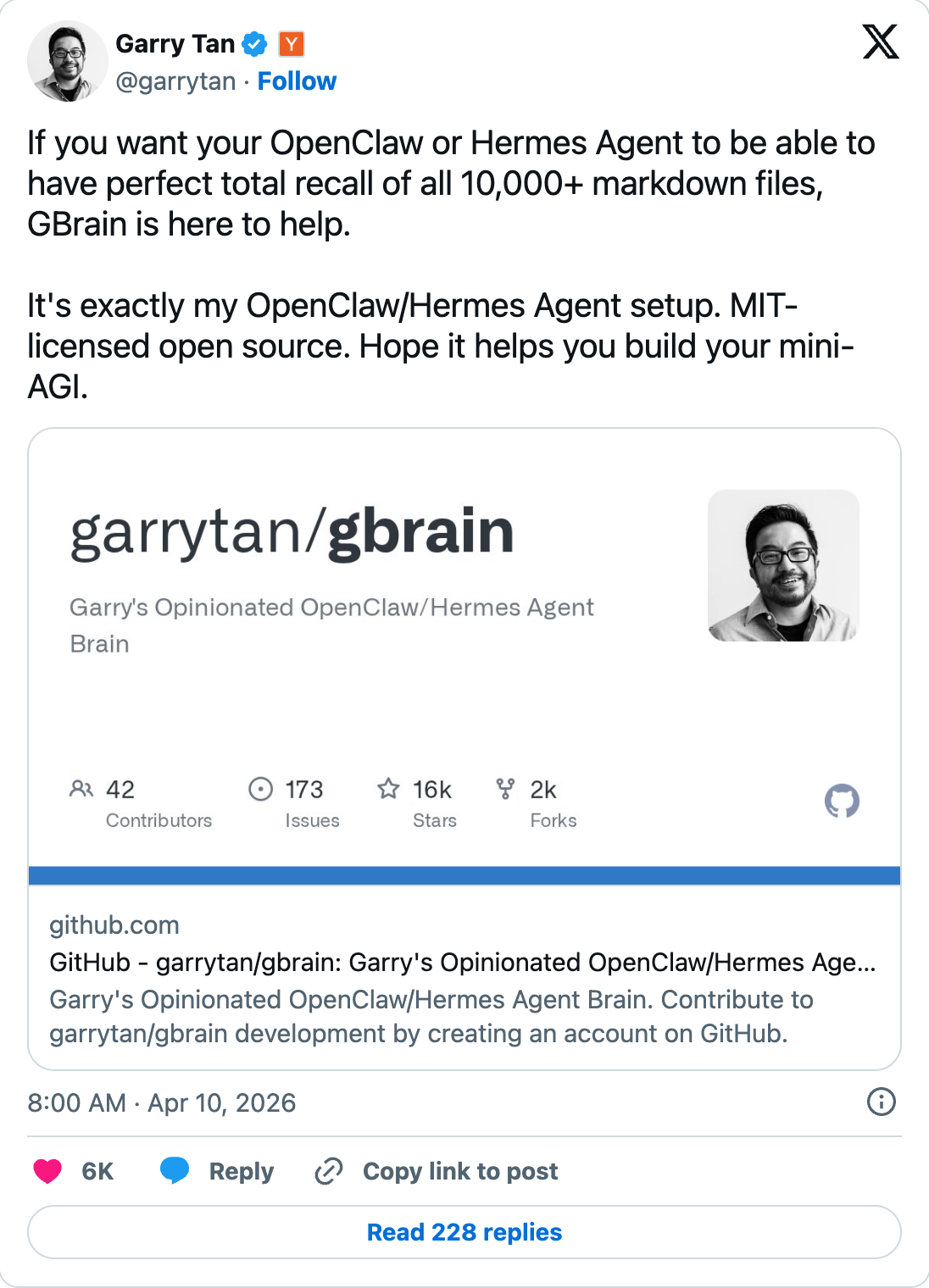
The head of Y Combinator gave away his personal "second brain."
GBrain is a three-layer memory system: Signal Detection flags what's worth remembering, Brain Ops keeps the knowledge graph clean overnight, and Search retrieves context with hybrid vector + keyword lookup. Open source, MIT-licensed.
Persistent, structured memory is becoming the real moat in AI workflows. Vendor-managed chat history forgets; an owned three-layer brain compounds. Worth borrowing the blueprint instead of designing one from scratch.
The smartest AI bet isn't always the AI itself.
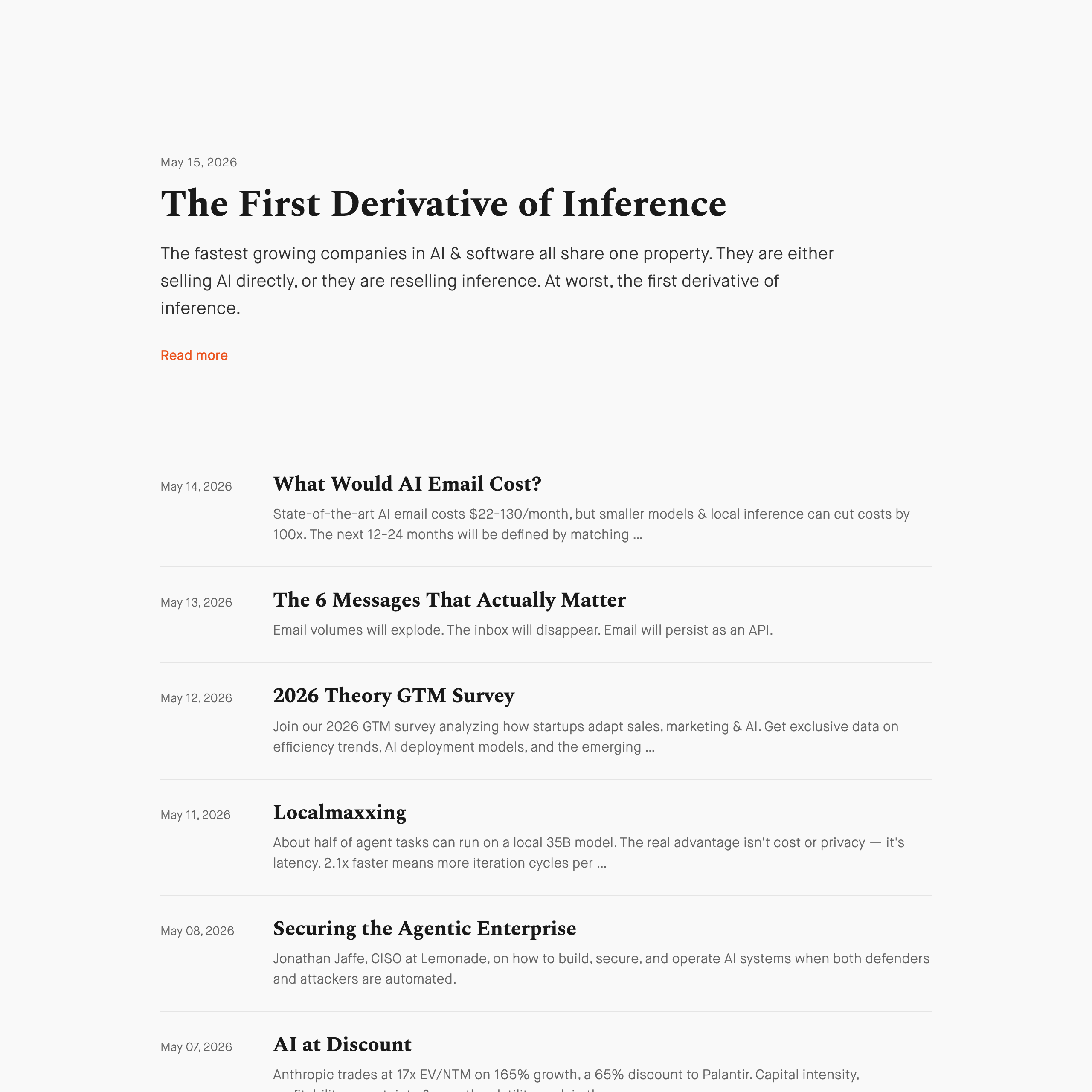
The best AI businesses either sell AI directly (Anthropic, OpenAI, ElevenLabs) or ride its coattails. Every voice agent built on ElevenLabs needs phone numbers — so Twilio sells more. Every AI call needs monitoring — so Datadog grows too.
When LLM usage goes up, a long list of adjacent businesses goes up with it. Often a quieter, safer bet than building the model itself.
Only 9% of companies have actually replaced a job with AI.
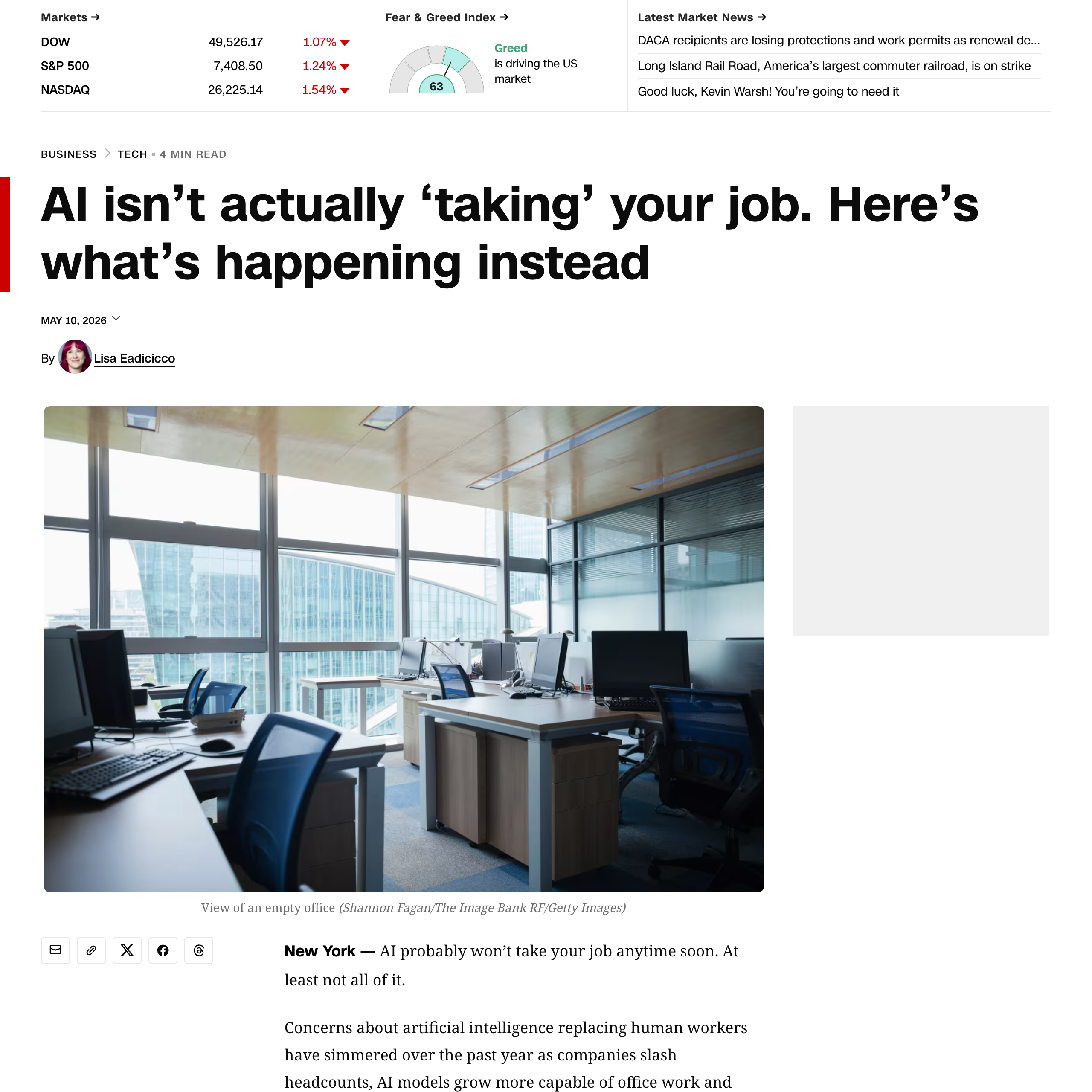
The headlines say AI is wiping out jobs. The data says different: just 9% of companies have actually replaced a role. The World Economic Forum still forecasts a net gain of 78 million jobs by 2030. What's really happening is slower hiring, not layoffs.
Position AI to your team as "do the work you can't currently hire for" — not "fire people." That framing actually lands.